Should you time your Augusta listing around the biggest week of the local calendar? Every April, tens of thousands of visitors book flights to watch golf at Augusta National, and homeowners within a few miles of the course start fielding rental offers that dwarf anything they'd see the rest of the year. It's tempting to assume that a week this good for renters must also be a good week for sellers. It isn't, and understanding why is the difference between catching Augusta's spring buyer momentum and losing it.
This spring's tournament ran April 8 through 13. The next one returns April 5 through 11, 2027, back at Augusta National. For homeowners thinking about a fall listing this year, or planning ahead for next spring's tournament week, the mechanics behind that gap between rental demand and sale demand matter more than a calendar note. They explain a piece of local market timing that most generic "best time to sell" guides never get right.
The Week Everyone Already Understands
The rental side of Masters week is well documented, and for good reason. Homeowners who rent out a primary or second residence for fewer than 15 days a year owe no federal income tax on that rental income, under Section 280A(g) of the Internal Revenue Code. Augusta is where this provision earned its nickname: the Augusta Rule. A local accounting firm's plain-language breakdown of the rule confirms the mechanics: rent for 14 days or less and the income is entirely tax-free, but cross into a 15th day and every dollar becomes taxable.
The dollar figures during that window are real. An analysis of over 1,000 Booking.com and Airbnb listings around this year's tournament found a five-night stay averaging $6,744 across both platforms, a 56.3 percent jump over the week before and a 261.8 percent jump over the week after. The most expensive Airbnb listing tracked, a three-bedroom house within walking distance of Augusta National, priced a five-night stay at $55,715. The cheapest option in the same dataset, eight miles from the course, ran $428.
None of that is controversial. It's the reason homeowners near the course start prepping guest rooms and stocking welcome baskets months in advance. But it's also where most of the advice available to Augusta homeowners stops, as if rental income and sale timing were the same decision made twice.
The Week Nobody Explains Correctly
They aren't the same decision, because they aren't answering to the same buyer.
The CSRA housing market has its own rhythm this year, and it has nothing to do with golf fans. In the three months ending June 2026, homes across Augusta-Richmond County sold for a median of $220,000, up 2.0 percent year over year, with the typical home going pending in 50 days, down from 70 days the year before. That's a market moving faster than it was twelve months ago, but not because of tourism. A separate February 2026 market snapshot showed the share of Augusta listings taking a price reduction had climbed from 49.3 percent to 83.33 percent over the prior year, and the sale-to-list ratio had settled at 95.26 percent. Put those two readings together and the picture is a market handing more leverage back to buyers even as overall activity holds up. That's the demand curve a seller is actually trying to catch: local buyers, relocating families, Fort Gordon transfers timing a move around a PCS date, all of them shopping on a schedule set by jobs, school years, and lease expirations, not tournament tee times.
Those two demand curves, the tourist one and the buyer one, happen to peak in the same month. They do not happen to peak for the same reasons, and treating them as one event is where sellers lose ground.
Same Roofs, Two Different Buyers
Here's the mechanism in plain terms. A rental guest during Masters week wants proximity to the course, security, and comfort for five to seven days. A home buyer wants to evaluate a property they might live in for a decade. Those two shoppers are not competing for the same thing, and the week that maximizes attention for one does the opposite for the other.
| Masters week rental demand | Spring 2026 sale demand | |
|---|---|---|
| Who's shopping | Tournament visitors, corporate groups, out-of-town patrons | Local buyers, relocating families, Fort Gordon transfers |
| What drives the price | Proximity to Augusta National, short-term availability | Condition, comps, days on market, financing terms |
| Where attention goes | Rental agencies, Airbnb, Masters-specific booking sites | Agent showings, MLS activity, local buyer searches |
| What competes for it | Traffic, hotel overflow, hospitality logistics | Other active listings, price-reduction competition |
| How it behaves after the week | Rates fall from the peak to the following week | Carries through spring into early summer buyer activity |
During tournament week itself, agent bandwidth across the CSRA shifts toward rental turnovers, hospitality coordination, and the traffic and logistics that come with a citywide event. Buyer showings compete with all of that for the same calendar days. A house that's occupied by rental guests through Sunday can't be shown to a prospective buyer on Tuesday. A seller who lists during the tournament is asking local buyers to compete for attention with a global sporting event, in a market where 83.33 percent of listings are already taking price cuts to get noticed.
The Staging Problem Nobody Mentions
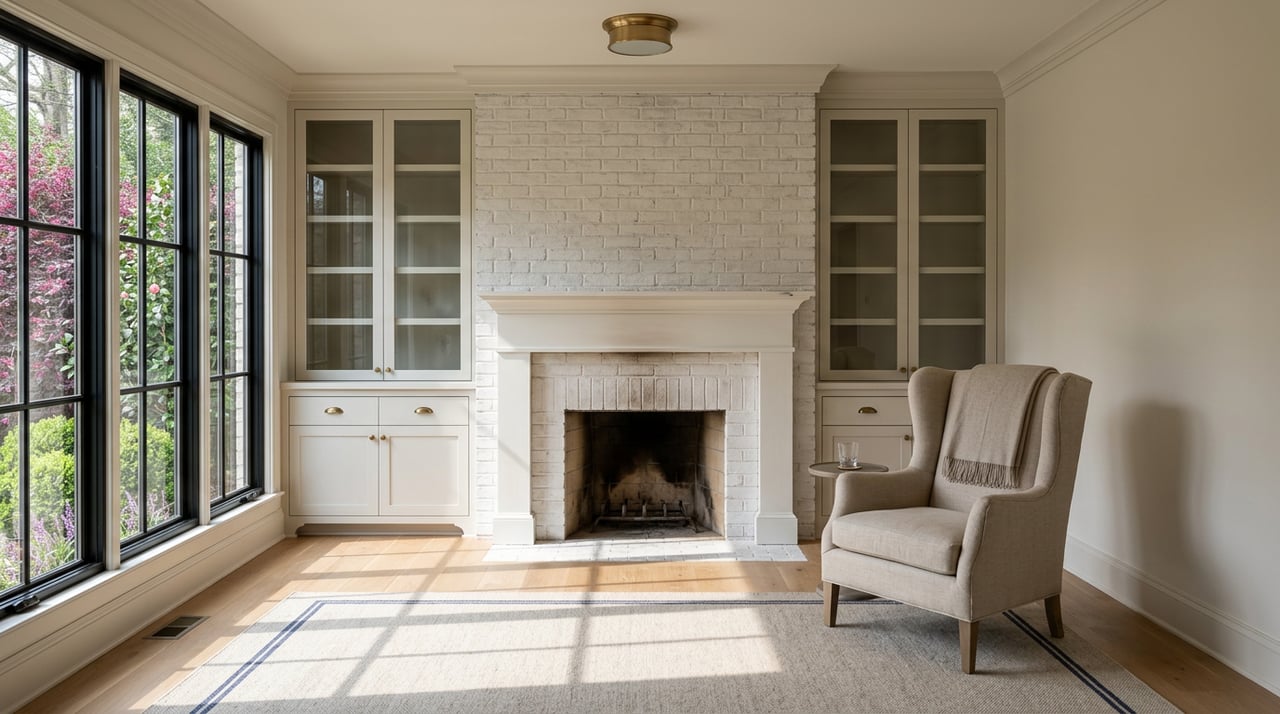
There's a second friction that's easy to miss until you're standing in the middle of it. A home staged to rent for Masters week and a home staged to sell are not staged the same way. Rental guests respond to warmth and personality: a stocked bar cart, golf memorabilia, thoughtful touches that make five days feel like a suite instead of a stranger's house. Buyers respond to the opposite. They need to picture their own life in the space, which means neutral tones, decluttered rooms, and a presentation built for broad appeal rather than hospitality.
That's a full re-stage in a matter of days, not a quick tidy-up. Any seller planning to rent for Masters and list shortly after needs that turnaround built into the calendar before the first rental guest ever checks in, not figured out the week the tournament ends.
Getting the Sequence Right
None of this means Masters week is a lost cause for sellers. It means the sequencing has to be deliberate rather than assumed.
- If you're renting under the Augusta Rule, treat that income and your sale timeline as two separate plans with two separate staging setups.
- List before the tournament, in March or the earliest days of April, to capture full spring buyer attention before it splits toward tournament logistics.
- Or list immediately after the tournament closes, once the home has been re-staged for buyers, to catch the tail of spring demand without competing with the rental noise.
- Avoid going live during the tournament itself. Showings, agent availability, and buyer attention are all diluted that week, in a market where every day of visibility counts more than it did a year ago.
That third point runs against the instinct that more visitors in town must mean more buyer traffic. It doesn't work that way here, and the local closing data backs it up. Tracked closings across Augusta eased from 195 in April to 171 in June this year, a normal seasonal cooling, but the sharpest, most competitive window sits right around the tournament and just after it, not during it.
What This Means Heading Into Fall
If you're weighing a listing this fall, the Masters timing question isn't in front of you yet, but the underlying lesson is. The CSRA market is loosening toward buyers, price cuts are more common than they were a year ago, and every week your home sits without full attention from local buyers is a week that leverage shifts further away from you. The same logic that applies to tournament week applies to any week where your home's visibility competes with something bigger than the sale itself, whether that's a holiday, a school calendar crunch, or next April's tournament.
For anyone already thinking about spring 2027, the tournament's return April 5 through 11 gives a full seven months of runway to plan the sequence properly: rental income first if that's part of your plan, a real staging turnaround built into the calendar, and a listing date chosen to catch buyer attention rather than split it.
FAQ
Does this apply if my home isn't near Augusta National? The rental premium fades with distance from the course, but the sale-side friction doesn't. Agent bandwidth, buyer attention, and local traffic are affected citywide during tournament week, not just in the neighborhoods closest to the gates.
How much lead time do I need between renting for Masters and listing my home? Enough to fully re-stage the property from a hospitality setup back to a buyer-ready presentation. That includes removing personal and rental-specific touches, resetting furniture arrangements, and a deep clean, all of which take longer than most sellers budget for if they're planning to list within days of their last rental guest checking out.
Is spring still the best time to sell in Augusta even with the tournament in the middle of it? Yes. The three-month window ending June 2026 showed homes moving faster than the year before, at 50 days to pending versus 70. The tournament itself is simply a week to plan around inside that window, not a reason to avoid spring altogether.
Timing a sale around an event like the Masters isn't guesswork, and it isn't something a generic seasonal calendar can answer for your specific address. If you're weighing a listing this fall or mapping out next spring, The Moss Group can walk through the sequencing, staging, and pricing strategy that fits your home and your timeline. Request a complimentary home valuation or schedule a consultation with Lisa to get a plan built around your street, not a citywide average.
This article is general information, not legal, tax or financial advice. Consult a qualified professional about your situation.