By The Moss Group
Augusta is a city that consistently surprises people who arrive expecting only golf and history. What they find instead is a community with genuine depth, a walkable downtown, world-class cultural institutions, nationally significant outdoor corridors, and a quality of daily life that holds up well beyond Masters week.
We have worked with buyers across Augusta for years, and the amenities and landmarks in Augusta, GA, are one of the most compelling parts of the story we get to tell. Here is a look at what makes this city worth knowing at a ground level.
Key Takeaways
-
Discover the parks, cultural institutions, and historic landmarks in Augusta, GA, that shape daily life and long-term appeal for residents and buyers.
-
Learn what the Augusta Canal National Heritage Area, the Augusta Riverwalk, and Phinizy Swamp Nature Park offer residents who prioritize outdoor access.
-
Find out how Augusta's arts and history institutions, including the Morris Museum of Art and Augusta Museum of History, anchor the city's cultural identity.
-
Understand why the combination of amenities and landmarks in Augusta makes it one of the most well-rounded mid-size cities in the Southeast.
The Augusta Riverwalk
The Augusta Riverwalk is the city's most visible public amenity and the natural starting point for understanding what downtown Augusta offers. This multi-level brick walkway runs along the Savannah River from 6th to 10th Street and serves as the connective tissue between many of Augusta's most significant cultural and recreational destinations. It is open around the clock and functions as a genuine gathering place for residents rather than simply a tourist corridor.
What the Augusta Riverwalk Offers Residents
-
The Riverwalk connects directly to the Morris Museum of Art, Savannah River kayak access, the Augusta Common amphitheater, and multiple parks and playgrounds within a single walkable stretch along the river.
-
The James Brown Statue on James Brown Boulevard, honoring Augusta's most celebrated native son, stands as one of the Riverwalk corridor's most recognizable public landmarks and a point of genuine civic pride.
-
The Heroes Overlook Memorial provides a quiet and meaningful stopping point along the upper level, honoring Augusta's veterans against the backdrop of the Savannah River.
-
For buyers who want a downtown lifestyle with immediate access to outdoor space and cultural amenities, proximity to the Riverwalk corridor significantly shapes the daily experience of living in Augusta.
The Riverwalk is the kind of public infrastructure that elevates a city's livability in ways that take time to fully appreciate. Residents who use it regularly understand why it remains central to Augusta's identity.
Augusta Canal National Heritage Area
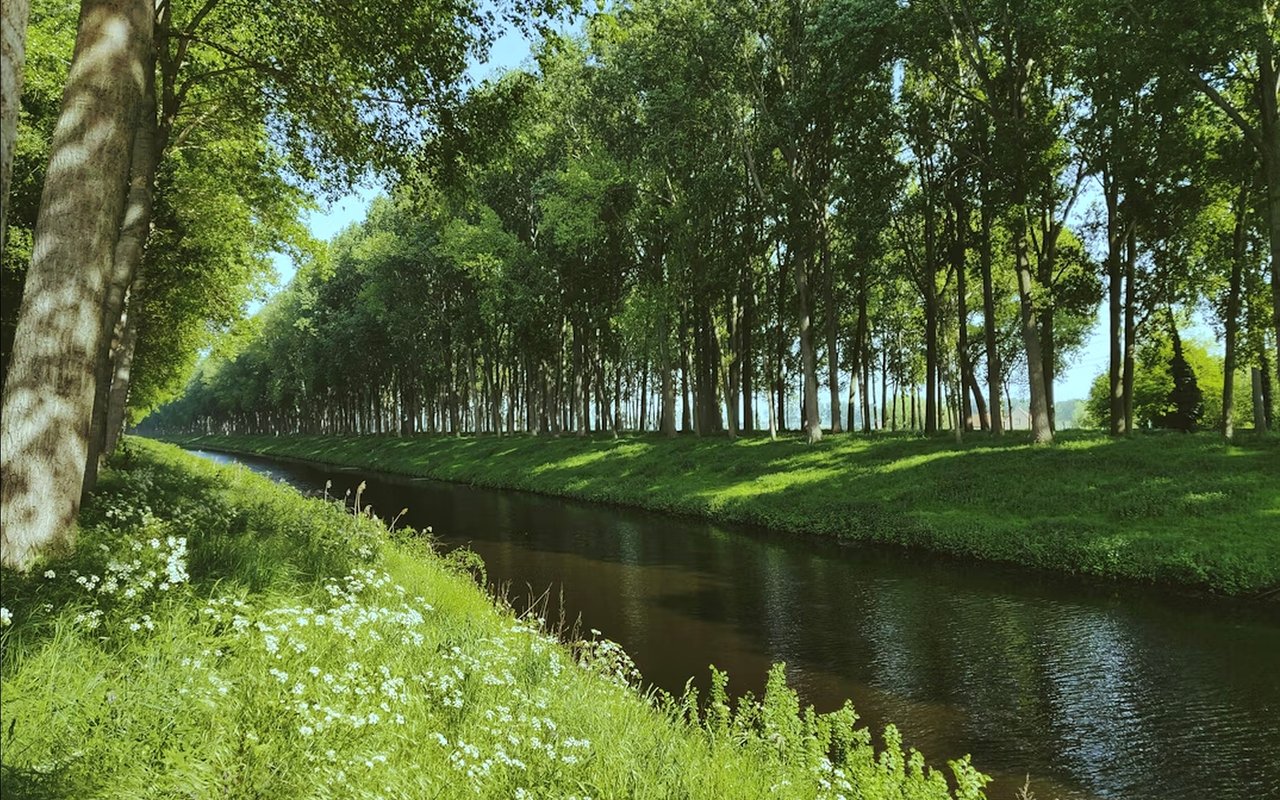
The Augusta Canal is one of the most historically significant landmarks in the entire American South. Built in 1845 and the only intact industrial canal in the South still in continuous use, it was designated a National Heritage Area by Congress in 1996, the first such designation in Georgia. For residents, it functions as both a living history site and a recreational corridor that is genuinely difficult to replicate anywhere else in the region.
Why the Augusta Canal Is a Landmark Worth Understanding
-
The Augusta Canal Discovery Center at Enterprise Mill houses an interactive museum covering the canal's construction, its role in powering Augusta's textile industry, the experience of mill workers, and its significance during the Civil War as the site of the Confederate Powder Works.
-
Guided boat tours on replica Petersburg boats depart from the Discovery Center and travel the full length of the canal, giving riders a ground-level view of the historic mills, wildlife, and waterway that shaped Augusta's economic development across two centuries.
-
The canal's towpath trail offers residents a scenic corridor for walking, running, and cycling alongside the water, with views of the Sibley and King Mills and access to the natural habitats that line the canal banks.
-
For buyers drawn to neighborhoods along the canal corridor, the combination of historic character, recreational access, and ongoing development investment in the surrounding mill properties represents genuine long-term community value.
The Augusta Canal is what happens when a city takes the preservation of an industrial landmark seriously and transforms it into a living part of daily life. There is nothing else quite like it in Georgia.
Phinizy Swamp Nature Park
Phinizy Swamp Nature Park on Phinizy Road in south Augusta offers residents access to one of the most ecologically rich natural areas in the entire region. Managed as a water reclamation facility and wildlife habitat, the park features a network of walking and birding trails through wetlands, bottomland hardwood forests, and open water that attract an exceptional range of migratory and resident bird species throughout the year.
What Phinizy Swamp Offers Outdoor-Oriented Buyers
-
The park's trail system winds through several distinct habitat types, making it one of the most rewarding destinations in the area for birding, wildlife photography, and naturalist walks in any season.
-
Phinizy is consistently recognized by birding organizations as one of the top migratory bird watching sites in Georgia, drawing species that cannot be reliably seen anywhere else in the Augusta metro area.
-
The park is free and open to the public, making it one of the most accessible outdoor amenities Augusta offers regardless of where in the city a buyer chooses to live.
-
The combination of ecological significance and recreational accessibility gives Phinizy Swamp a quality that distinguishes Augusta's outdoor infrastructure from comparable mid-size Southern cities.
For buyers who prioritize meaningful outdoor access as part of daily life, Phinizy Swamp Nature Park is one of Augusta's most underappreciated assets.
The Morris Museum of Art and Augusta Museum of History
Augusta's two most significant cultural institutions anchor the downtown experience in ways that reward residents who engage with them regularly. Both are accessible, well-maintained, and reflective of the depth of history and artistic tradition that makes Augusta worth understanding beyond its most famous annual event.
What These Institutions Contribute to Life in Augusta
-
The Morris Museum of Art on the Riverwalk at One 10th Street is the oldest museum in the United States dedicated specifically to the art and artists of the American South. Its permanent collection spans the late eighteenth century to the present, and the museum hosts rotating special exhibitions throughout the year.
-
The Augusta Museum of History on Reynolds Street covers 12,000 years of regional history through exhibits that include a restored 1914 locomotive, James Brown memorabilia, one of the original green jackets from the Masters Tournament, and the story of Augusta's role in the Civil War and the Industrial Revolution.
-
Together, these two institutions give Augusta residents consistent access to programming, exhibitions, and community events that reflect both the city's national significance and its distinctly Southern identity.
Augusta's cultural institutions are not afterthoughts. They are genuine contributors to the texture of daily life in a city that has more to offer than most buyers realize before they arrive.
Frequently Asked Questions
What are the most walkable areas in Augusta for residents who want access to amenities?
The downtown Riverwalk corridor offers the most concentrated access to walkable amenities, connecting the Morris Museum of Art, the Augusta Common, parks, restaurants, and the Savannah River within a single compact area. The Augusta Canal corridor in the Harrisburg neighborhood is another area with strong amenity access and ongoing residential development investment.
Is Augusta a good city for outdoor recreation beyond golf?
It is. The Augusta Canal trail system, Phinizy Swamp Nature Park, the Savannah Riverwalk, and kayak access along the Savannah River give residents a meaningful range of outdoor options year-round. Augusta's outdoor infrastructure is one of the more complete offerings available in any Georgia city outside the Atlanta metro.
How does the Masters Tournament affect daily life for Augusta residents?
Masters week in April brings significant energy and economic activity to the city, but Augusta functions well as a residential community across all twelve months. The tournament's global profile contributes to Augusta's civic identity and ongoing investment in the city's amenities, which benefits residents well beyond the week itself.
Contact The Moss Group Today
We know Augusta at the ground level, from the neighborhoods along the canal corridor to the communities closest to the Riverwalk and beyond. The amenities and landmarks in Augusta, GA, are part of what we bring to every buyer conversation, because choosing a home here means choosing everything that surrounds it.
When you are ready to find your place in Augusta, connect with The Moss Group and let's talk about what the right home in this city looks like for you.
When you are ready to find your place in Augusta, connect with The Moss Group and let's talk about what the right home in this city looks like for you.